



Assessment of the Acutely Ill Adult in Community
This course will help UK care providers upskill their staff to confidently assess the acutely ill adults using the ABCDE and NEWS2 frameworks.
Some community staff may feel 'blind' when a resident deteriorates rapidly.
Our training provides the clinical tools and will boost up the confidence they need to make the right call, whether that’s managing people at home or escalating to 999 with a professional SBARD report. Early recognition of deterioration and early escalation prevent unnecessary hospital admissions and significantly improves patient outcomes.
In the UK, the assessment of an acutely ill person in the community follows a standardised, systematic approach designed to identify life-threatening conditions early and communicate urgency across the healthcare system.
The "Gold Standard" in 2026 remains the ABCDE approach, coupled with the NEWS2 scoring system.
Assessment of the acute patient in a community setting is a systematic process designed to recognise and manage clinical deterioration promptly.
It relies on a combination of physiological measurements, clinical judgement, and structured communication tools to ensure patient safety and appropriate escalation of care.
Health care professionals are encouraged to follow established protocols to ensure a thorough and prioritised assessment.
The ABCDE Approach
Practitioners should use the Airway, Breathing, Circulation, Disability, and Exposure (ABCDE) approach to assess patients in a structured manner.
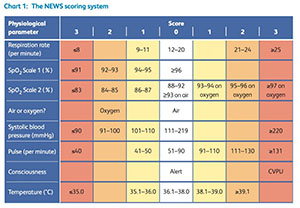
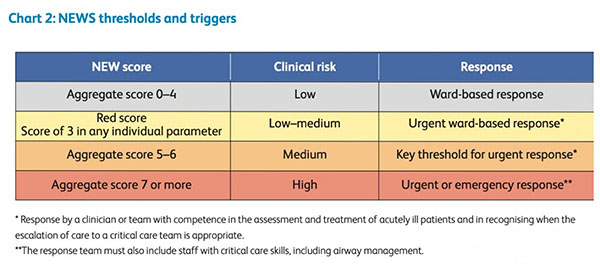
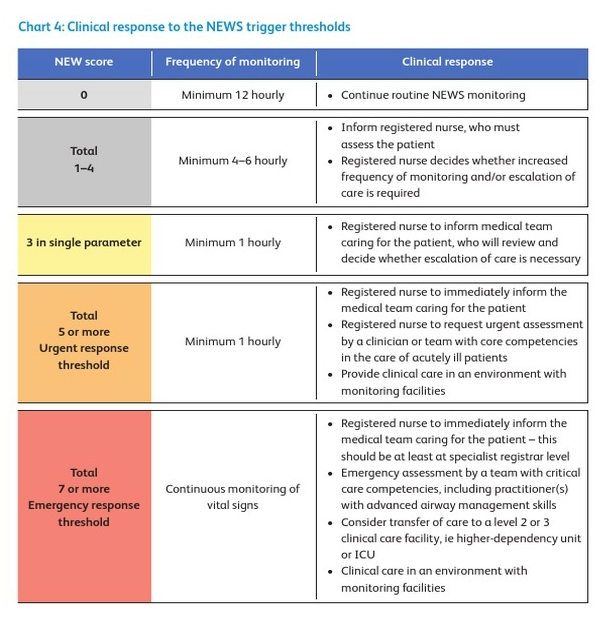
NEWS2 (National Early Warning Score
This is the mandated "track and trigger" system used to monitor all acutely ill adult patients in community, prehospital, and hospital settings. It tracks six physiological parameters: respiratory rate, oxygen saturation, temperature, systolic blood pressure, pulse rate, and level of consciousness.
The PIER Approach
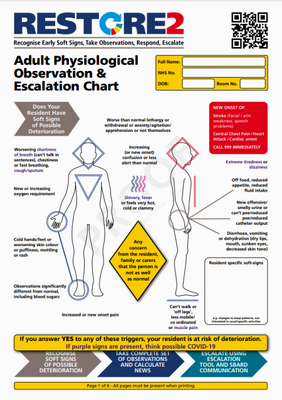
This system focuses on Prevention, Identification, Escalation, and Response to manage physical deterioration across all conditions and clinical settings.
Key Indicators of Deterioration
Early identification is critical to preventing hospitalisation and fatalities.
Sepsis Red Flags, critical clinical indicators are used to identify patients who are at high risk of life-threatening organ dysfunction due to a dysregulated response to infection.
The presence of even one red flag in a patient with a suspected infection mandates immediate emergency action, as it indicates a time-critical medical emergency.
Credit to Royal College of Physicians - Follow Link Here -
Please Register your attendance in the form bellow
Please take the AAIA7 Quiz once you have completed the course.
A Competency Assessment Document will be issued in line with CQC requirements.
We're not just in a classroom, we go further to meet Quality Statements.